
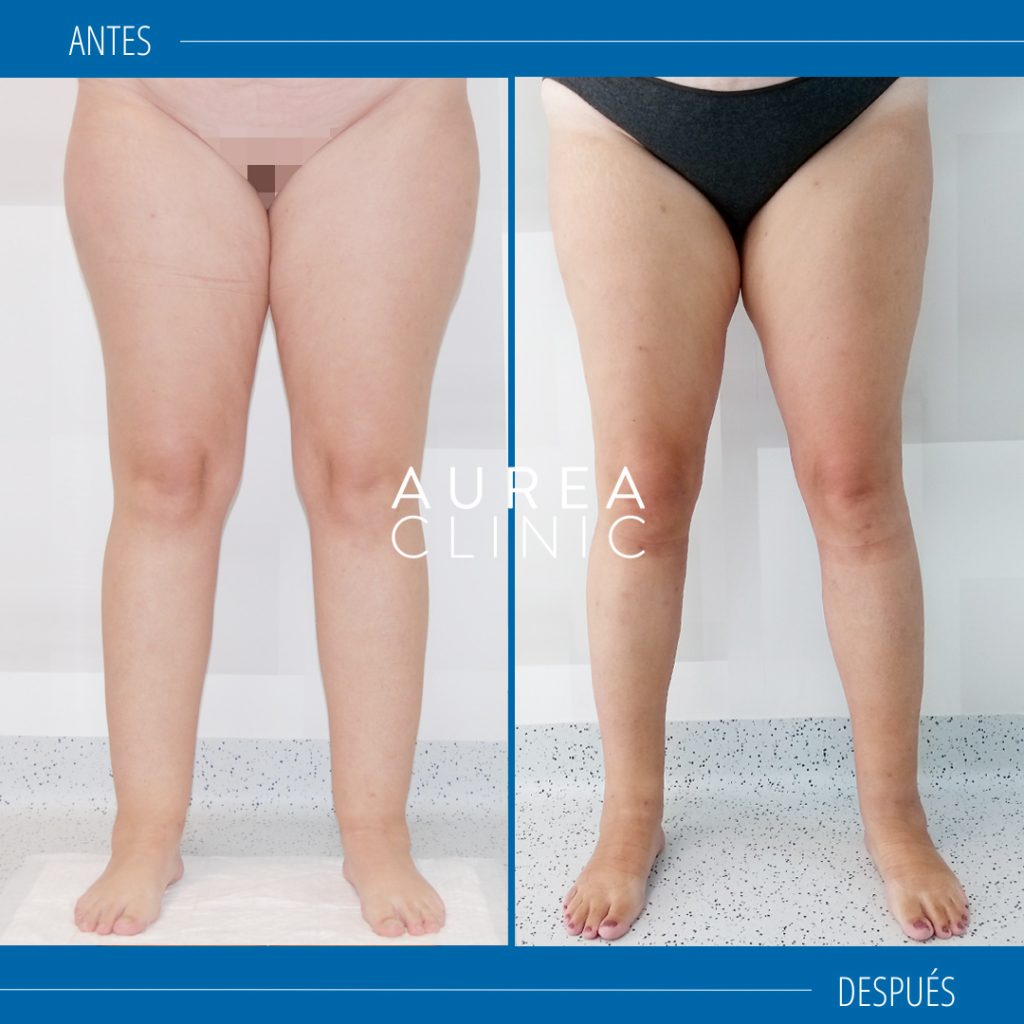
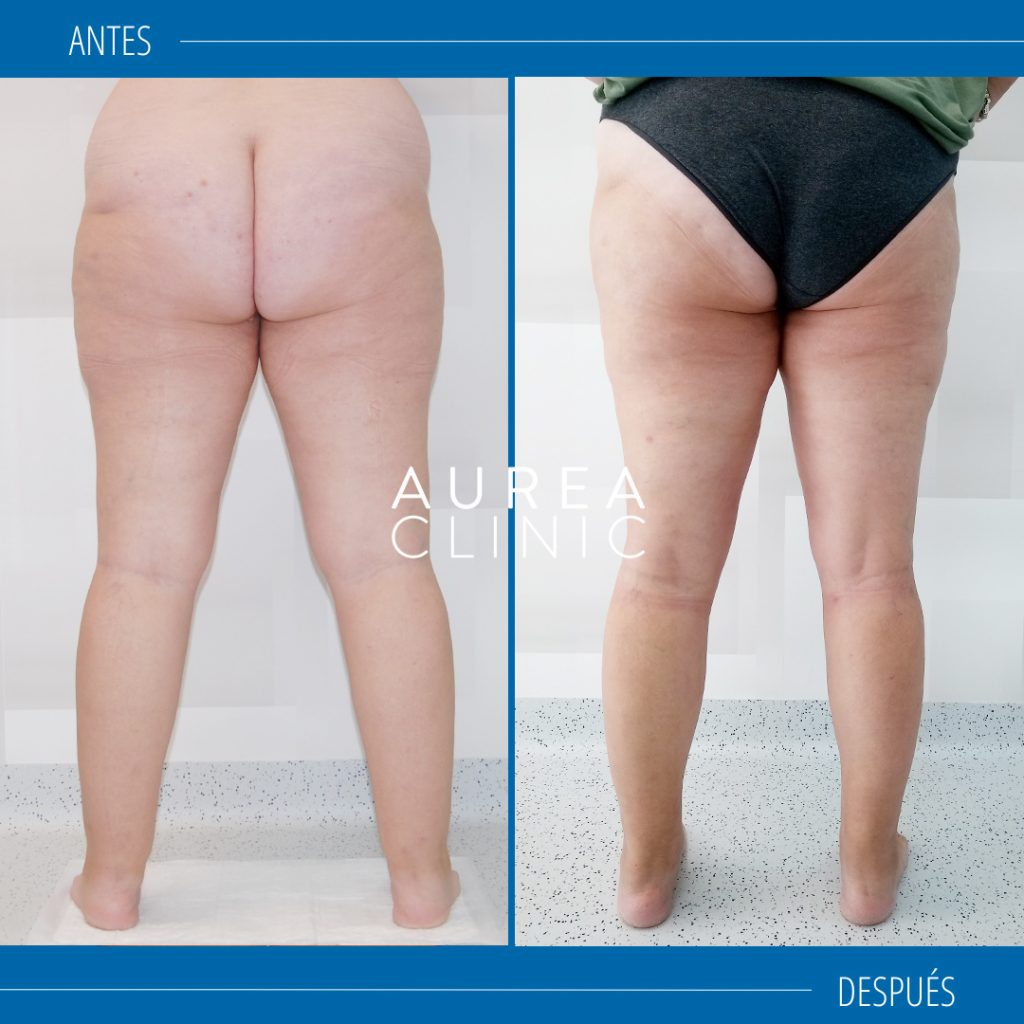
Lipedema is a typical chronic pathology of metabolism, which consists of inflammation of fat cells and shows up as an abnormal symmetrical fat distribution in the lower and/or upper limbs. Lipedema mainly affects women. The optimal surgical way to fight lipedema is Water Assisted Liposuction.
Aurea Clinic is a Spanish plastic surgery clinic located in Seville, and it is a benchmark in terms of lipedema surgery as over 700 patients from all over the world have had lipedema surgery there with them.
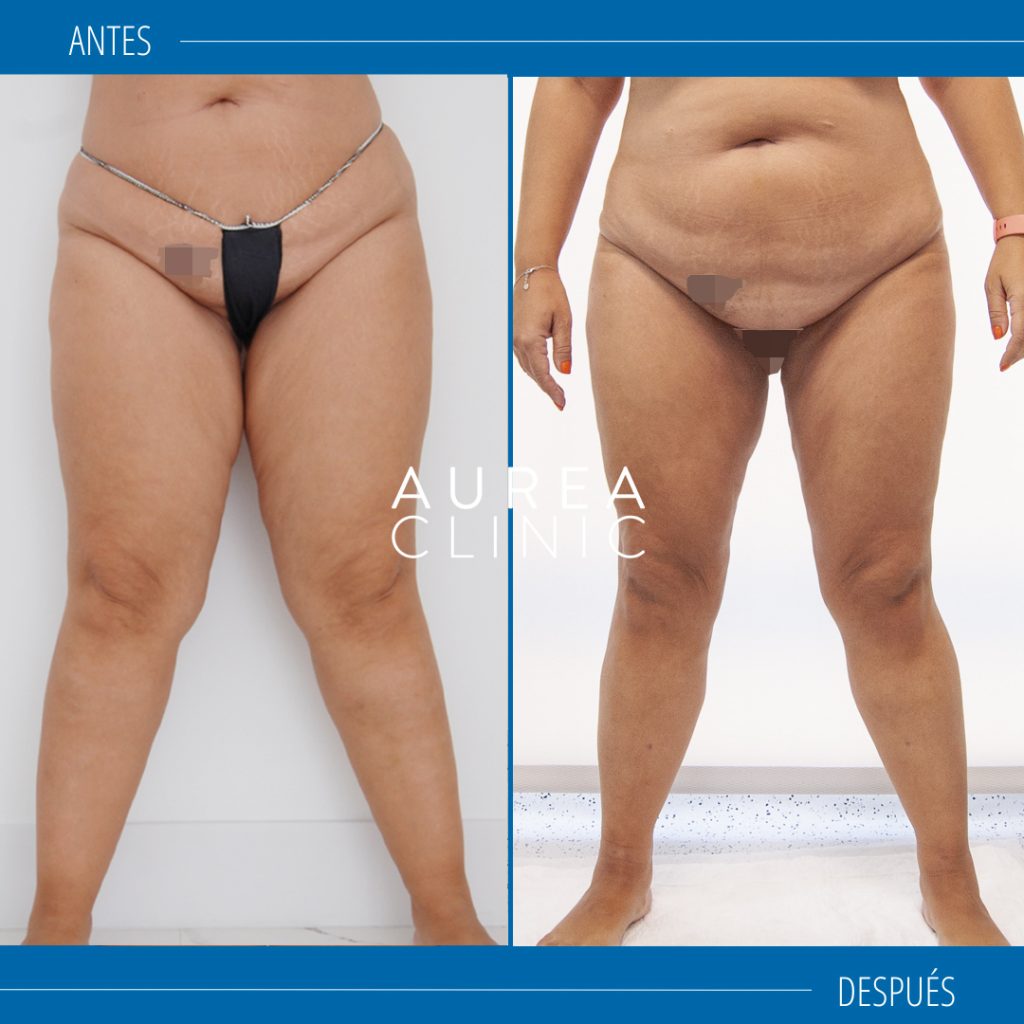
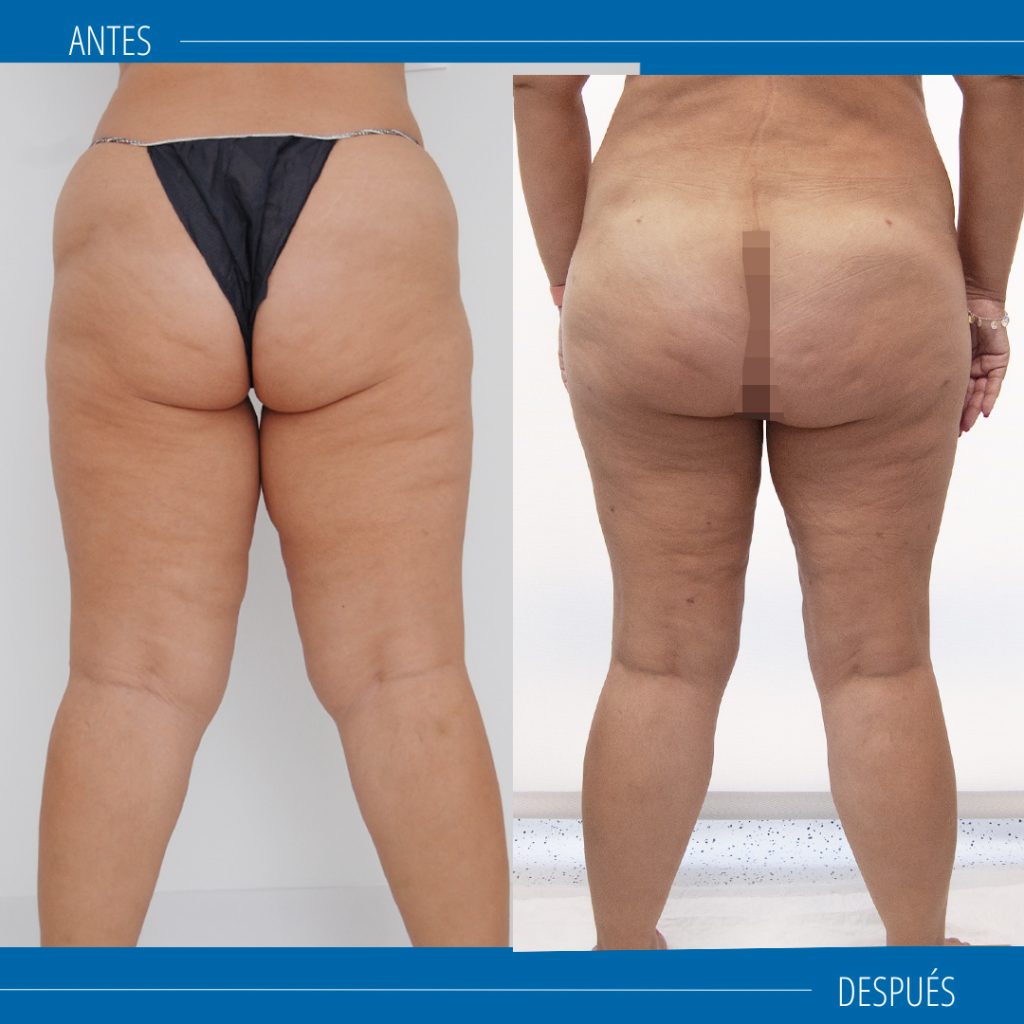
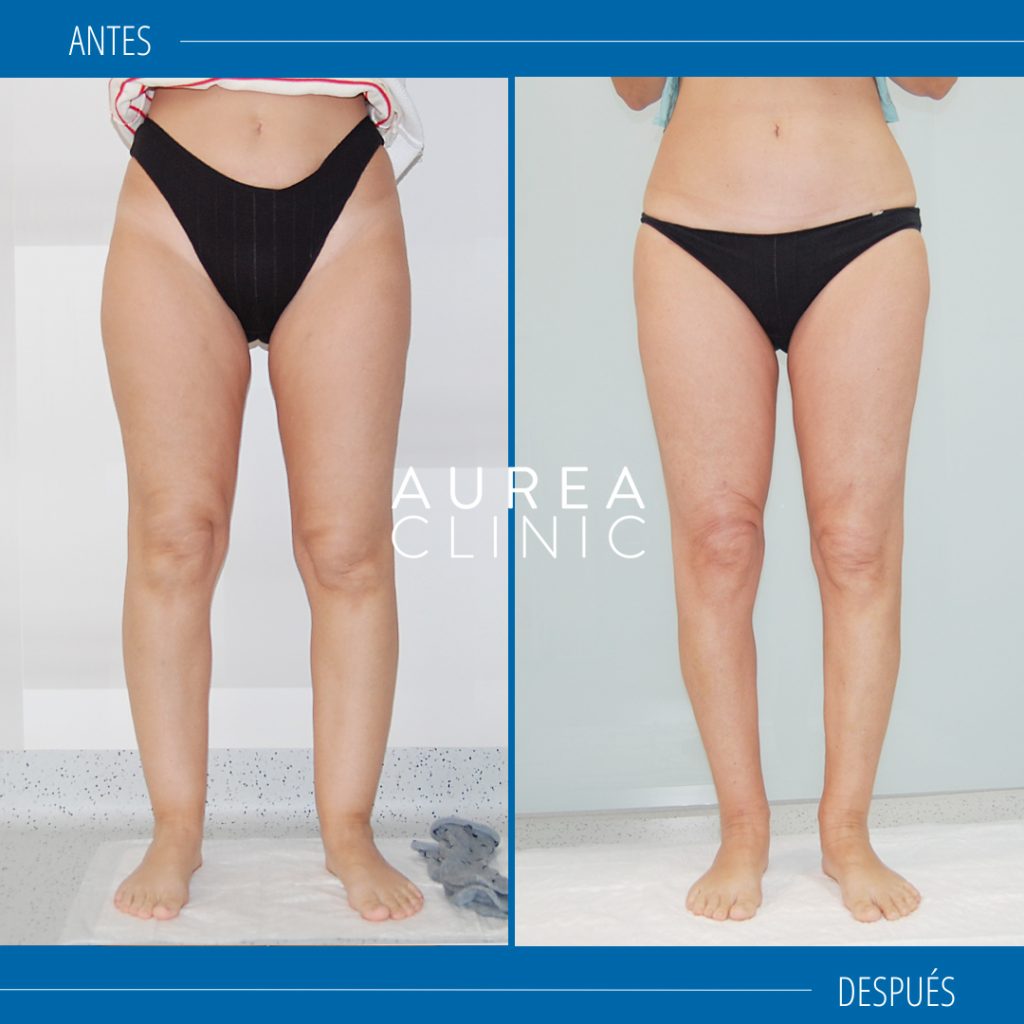


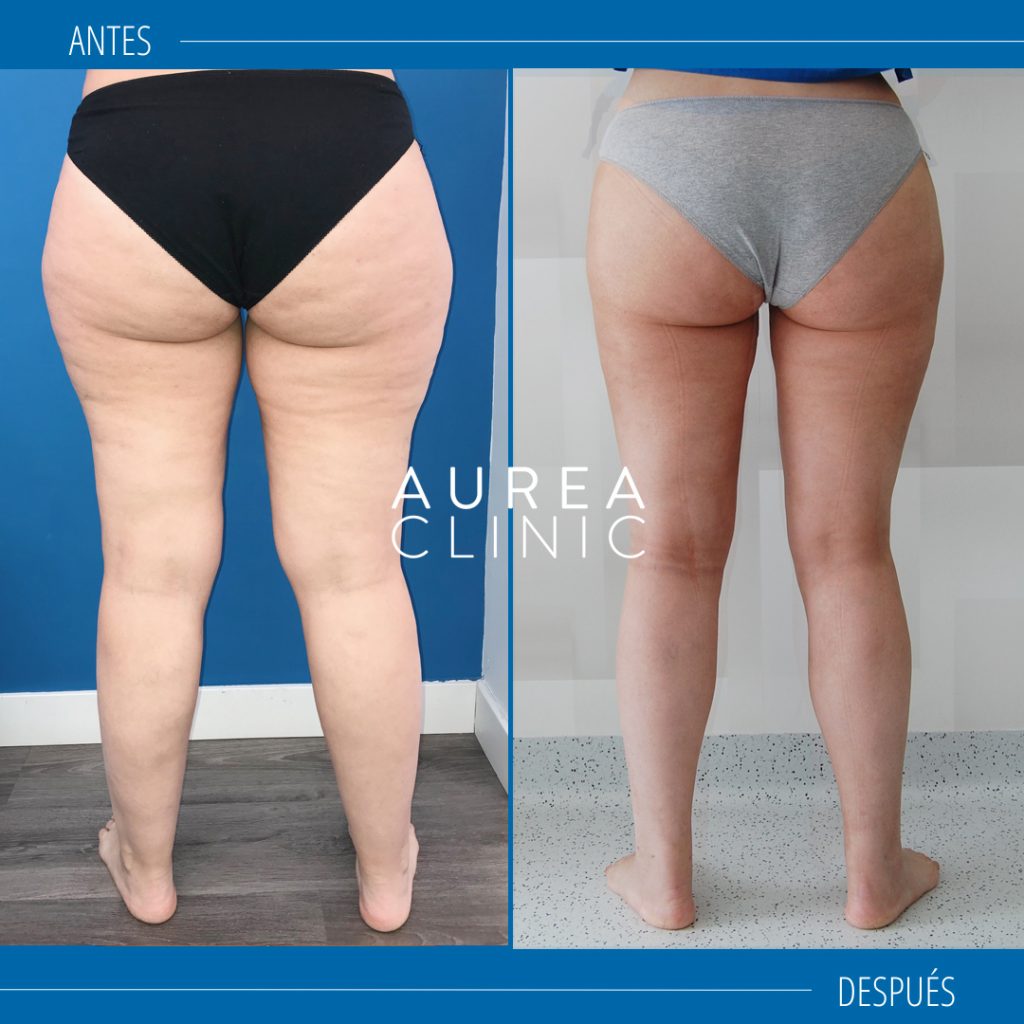
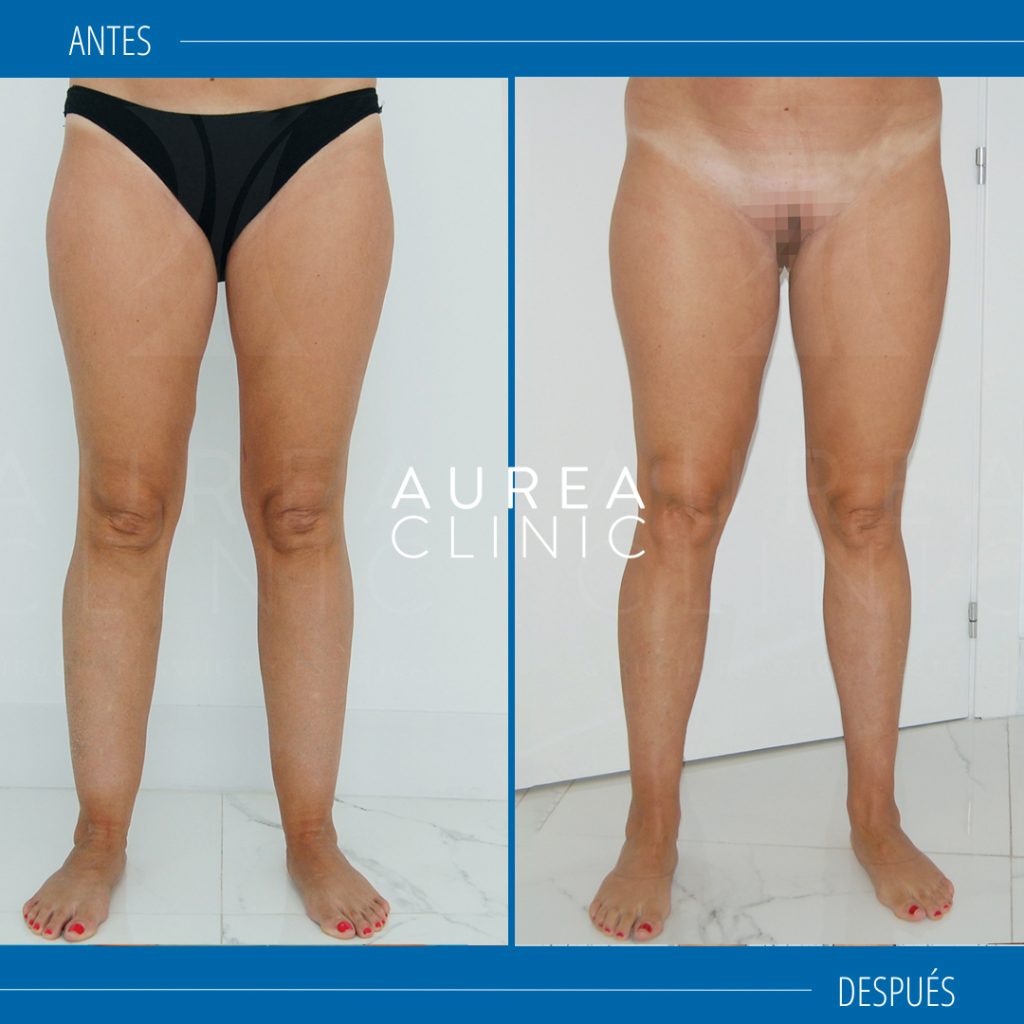
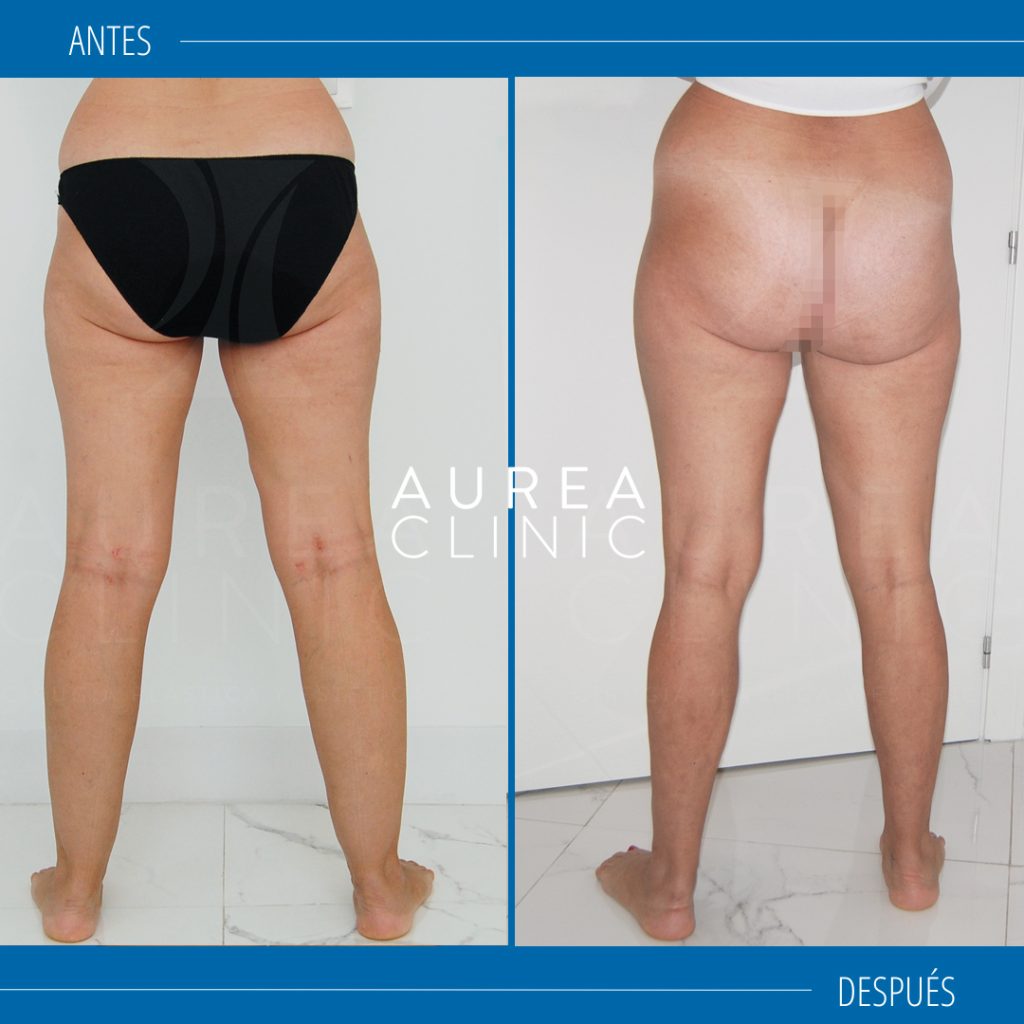
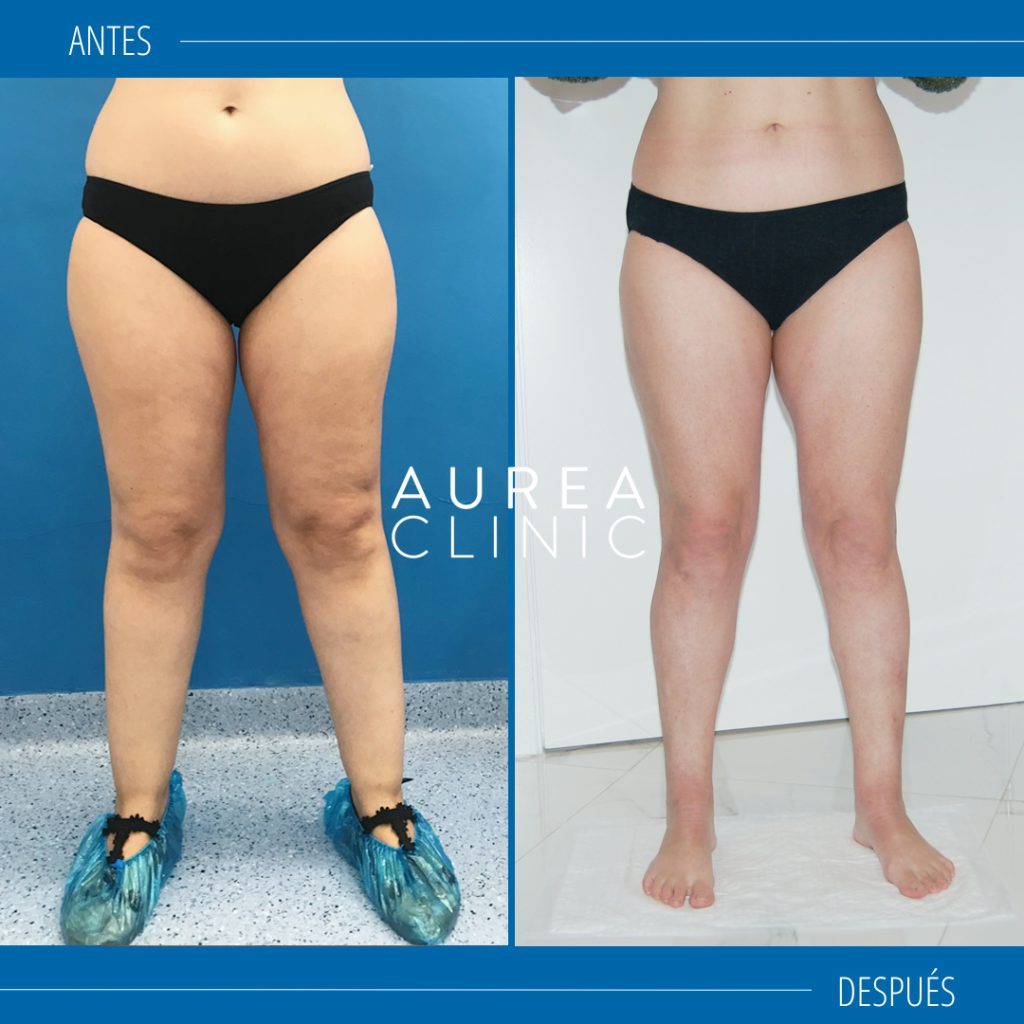
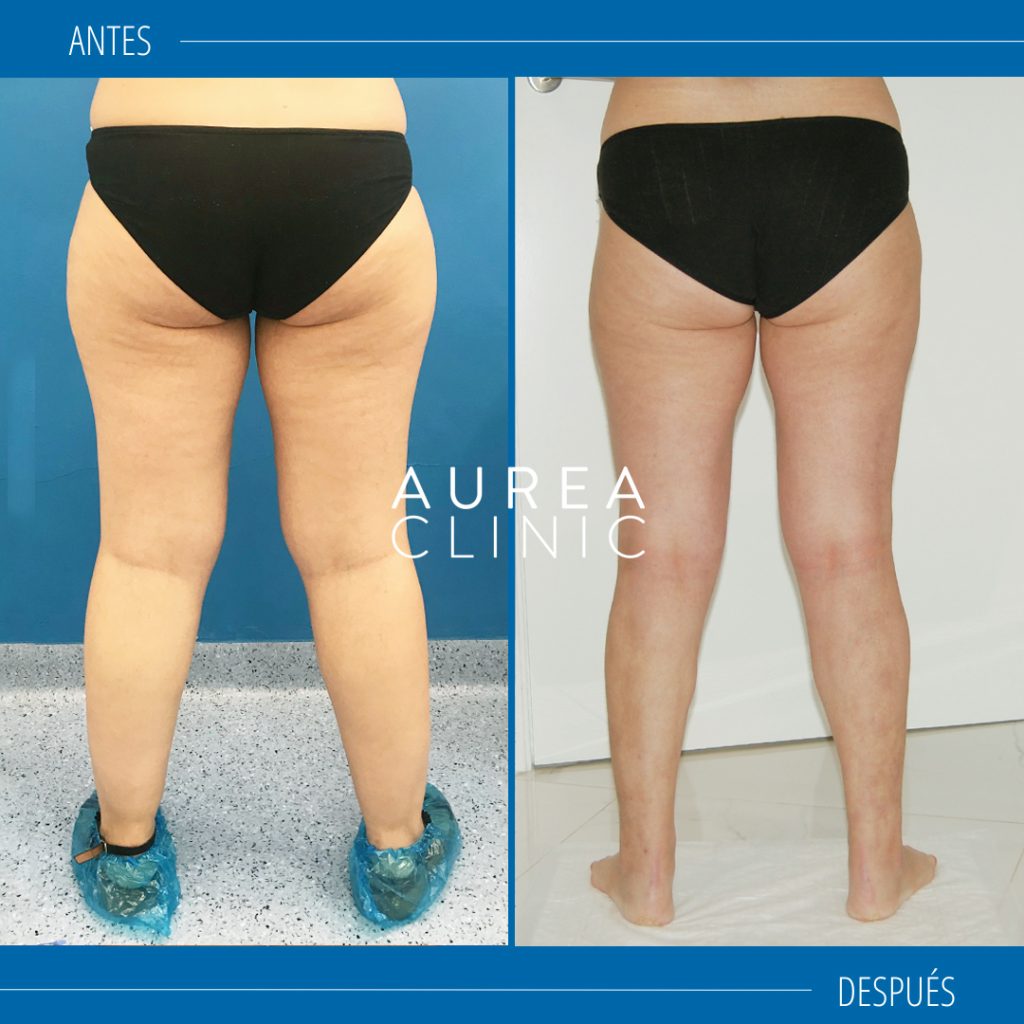
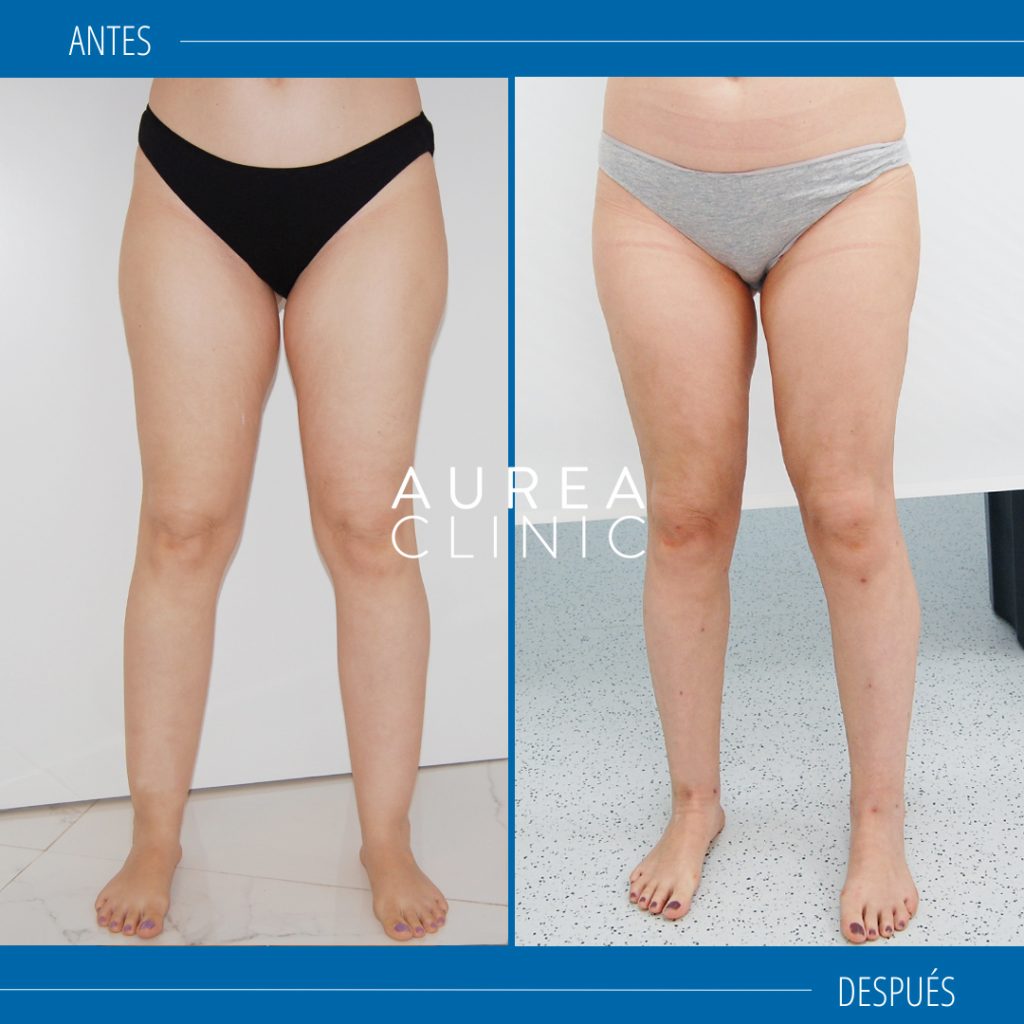
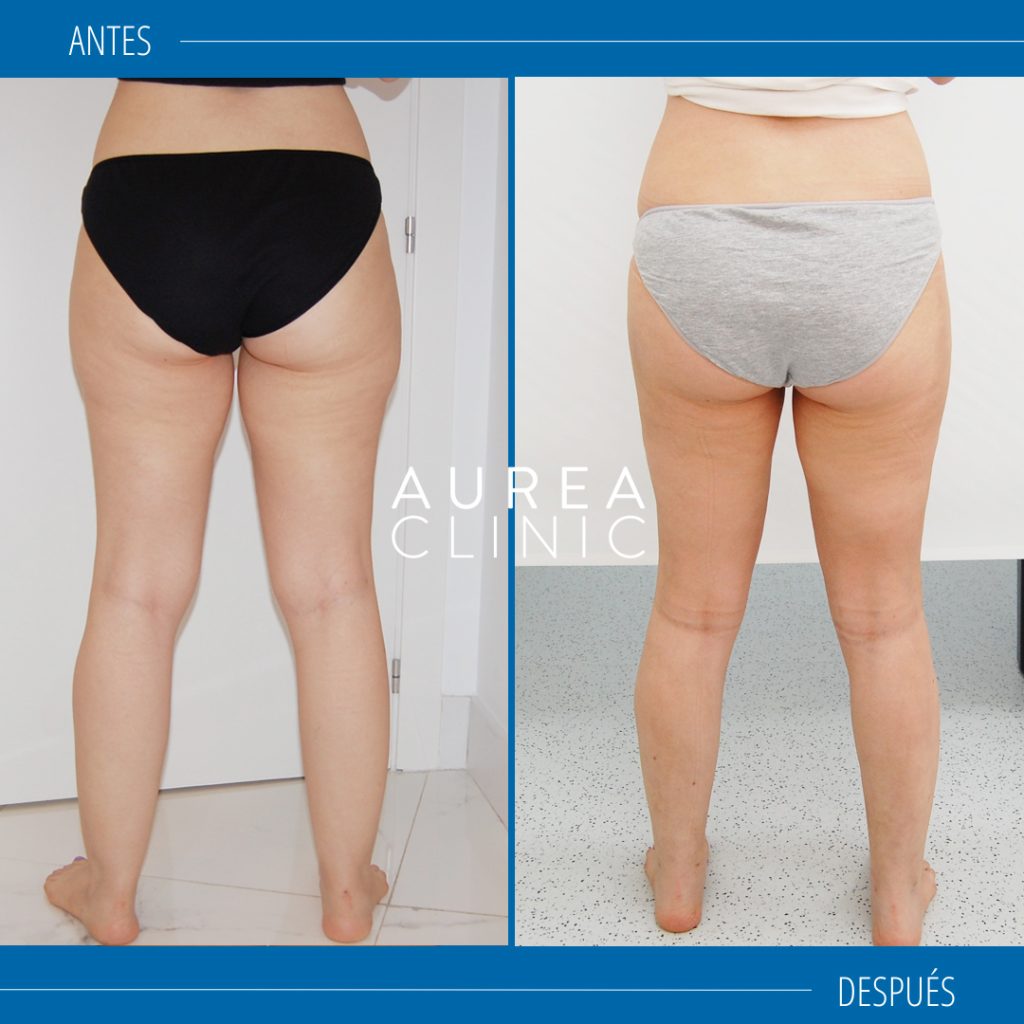
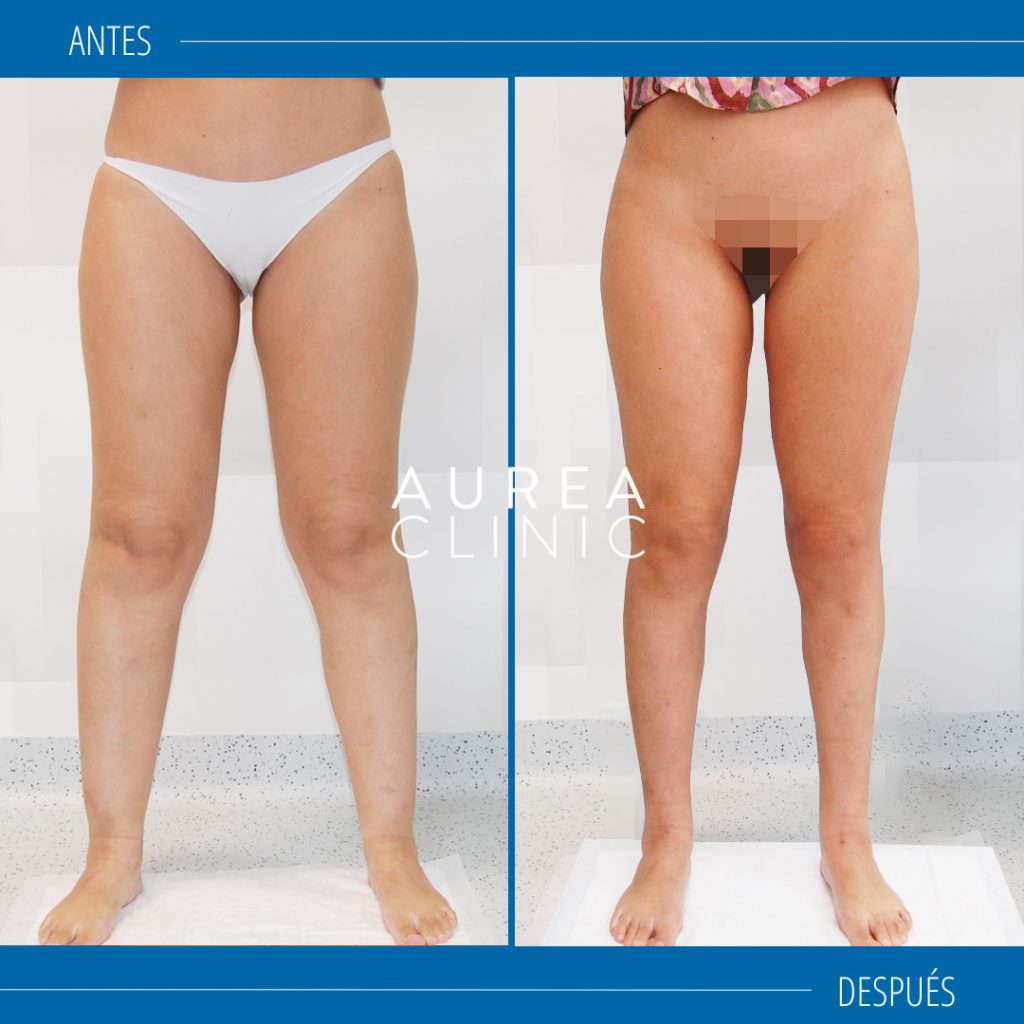
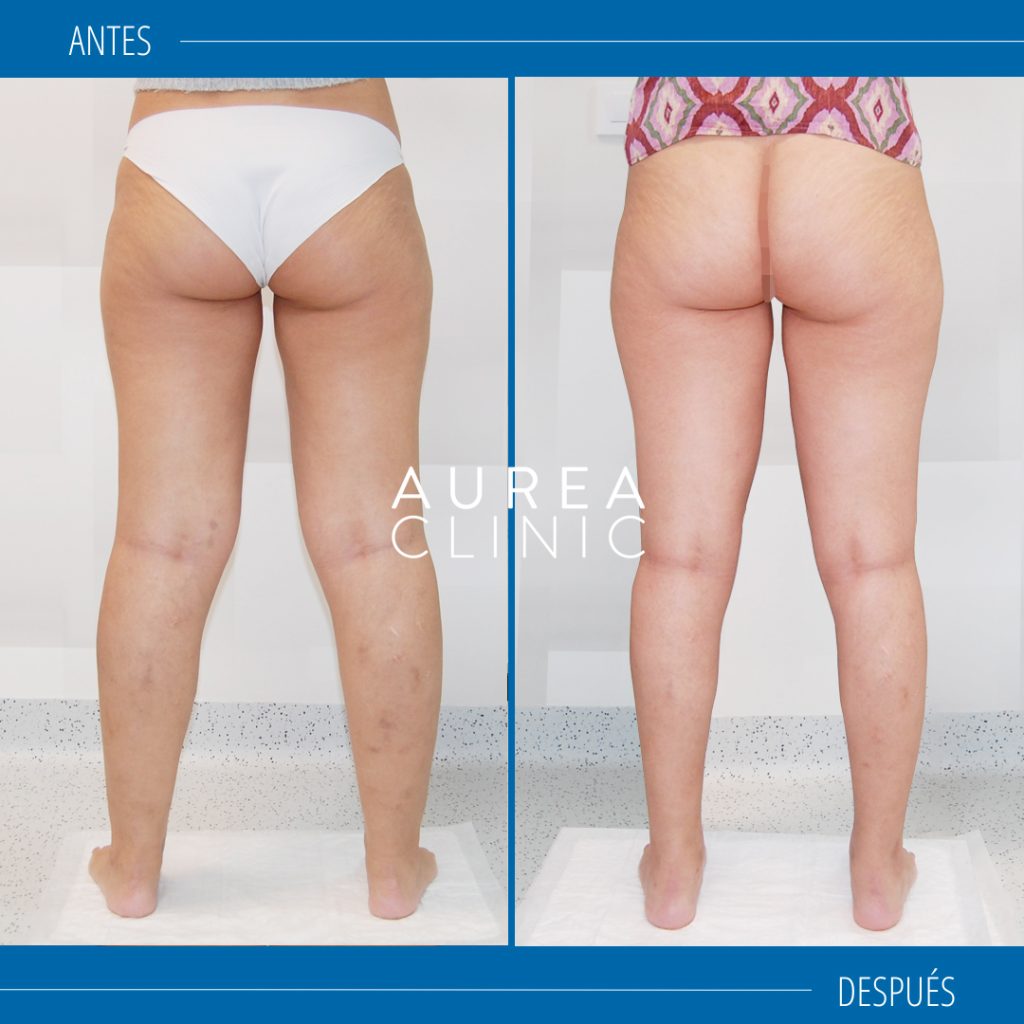
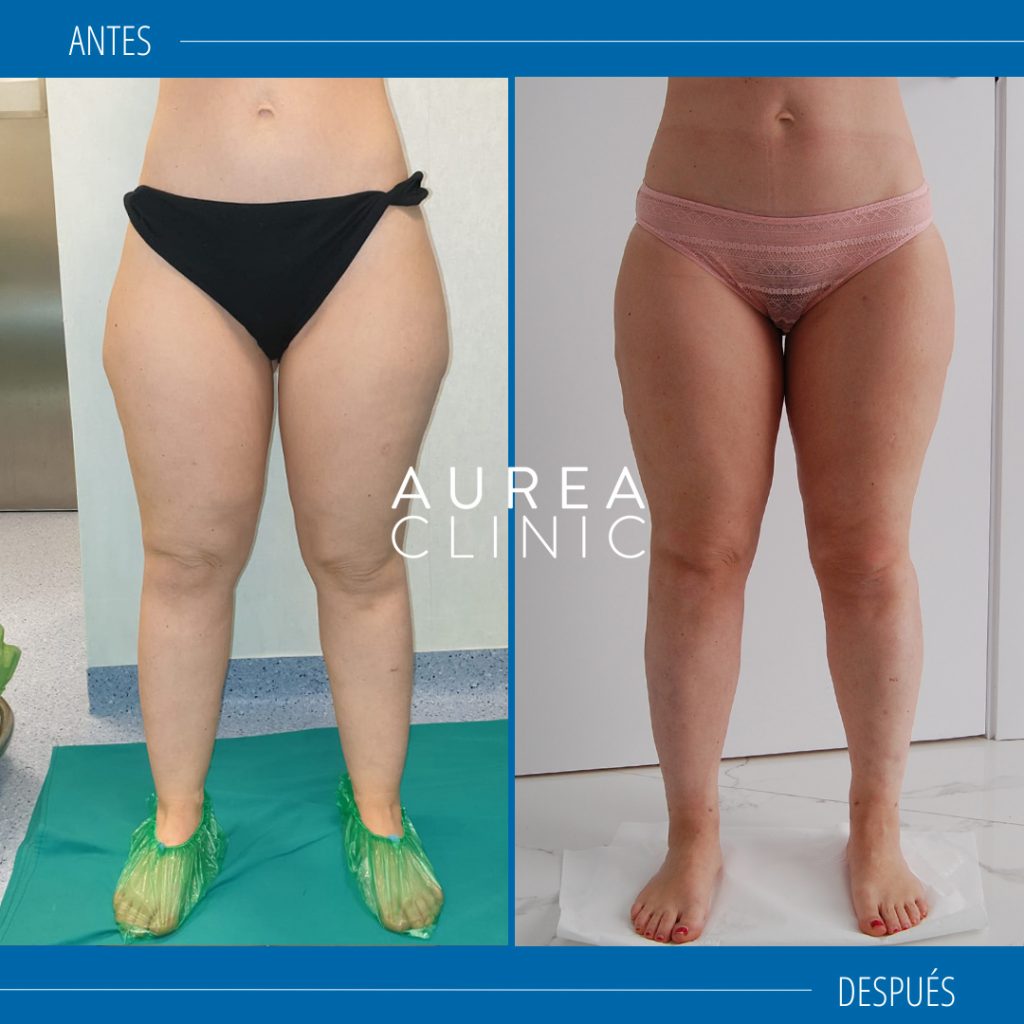
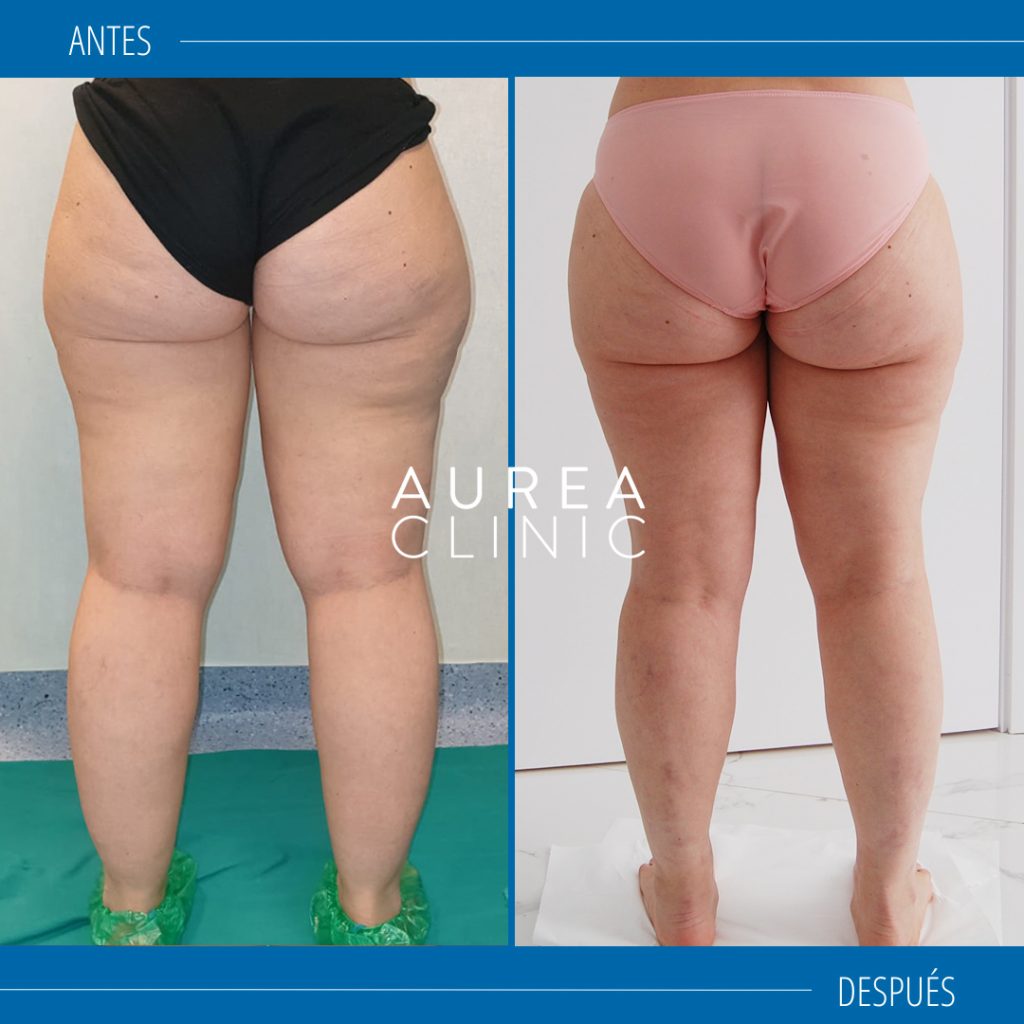
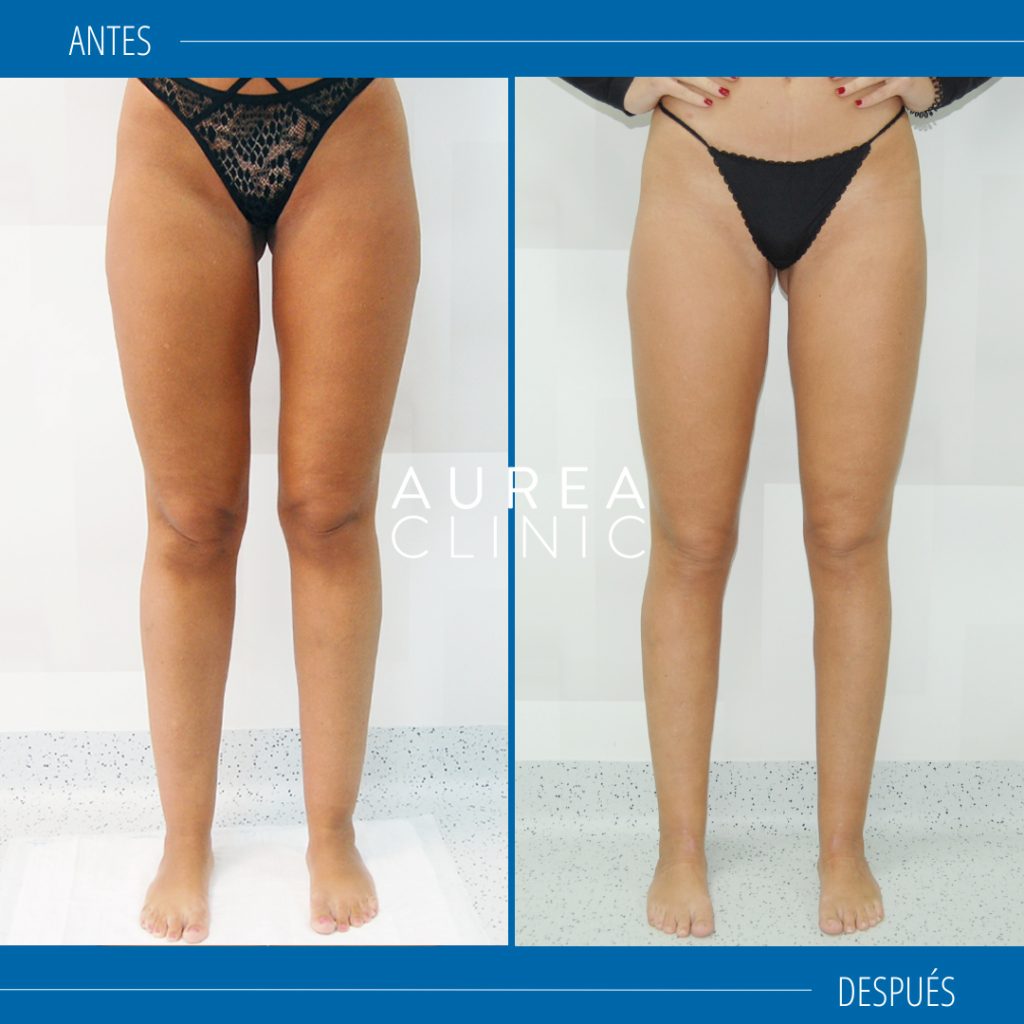
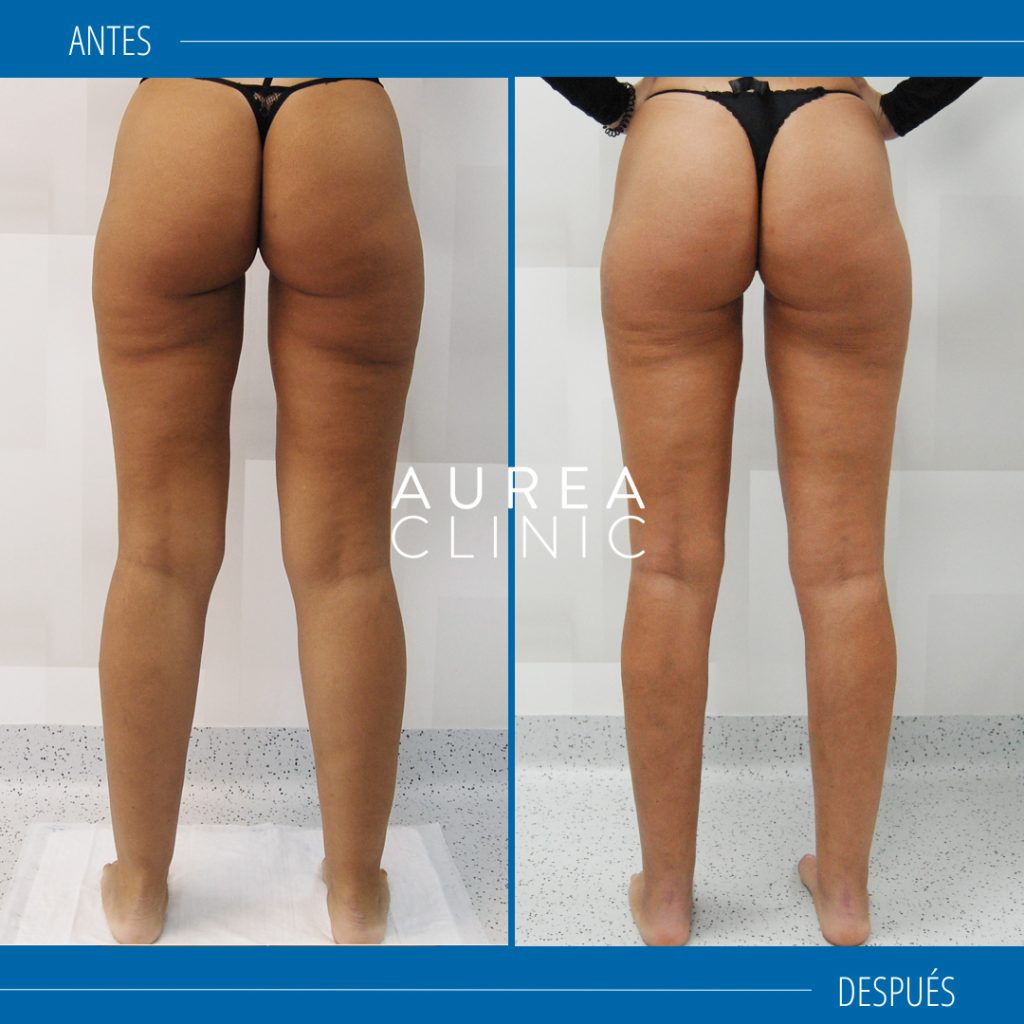
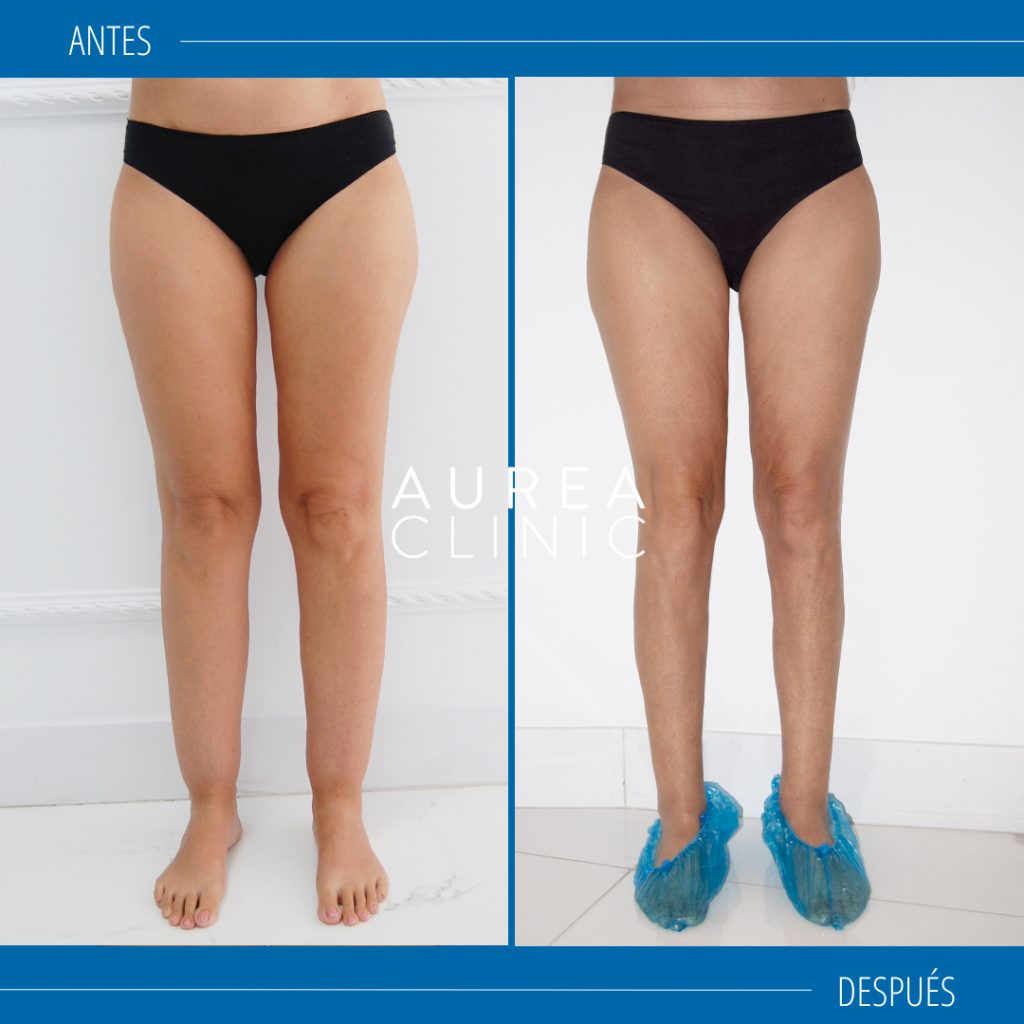
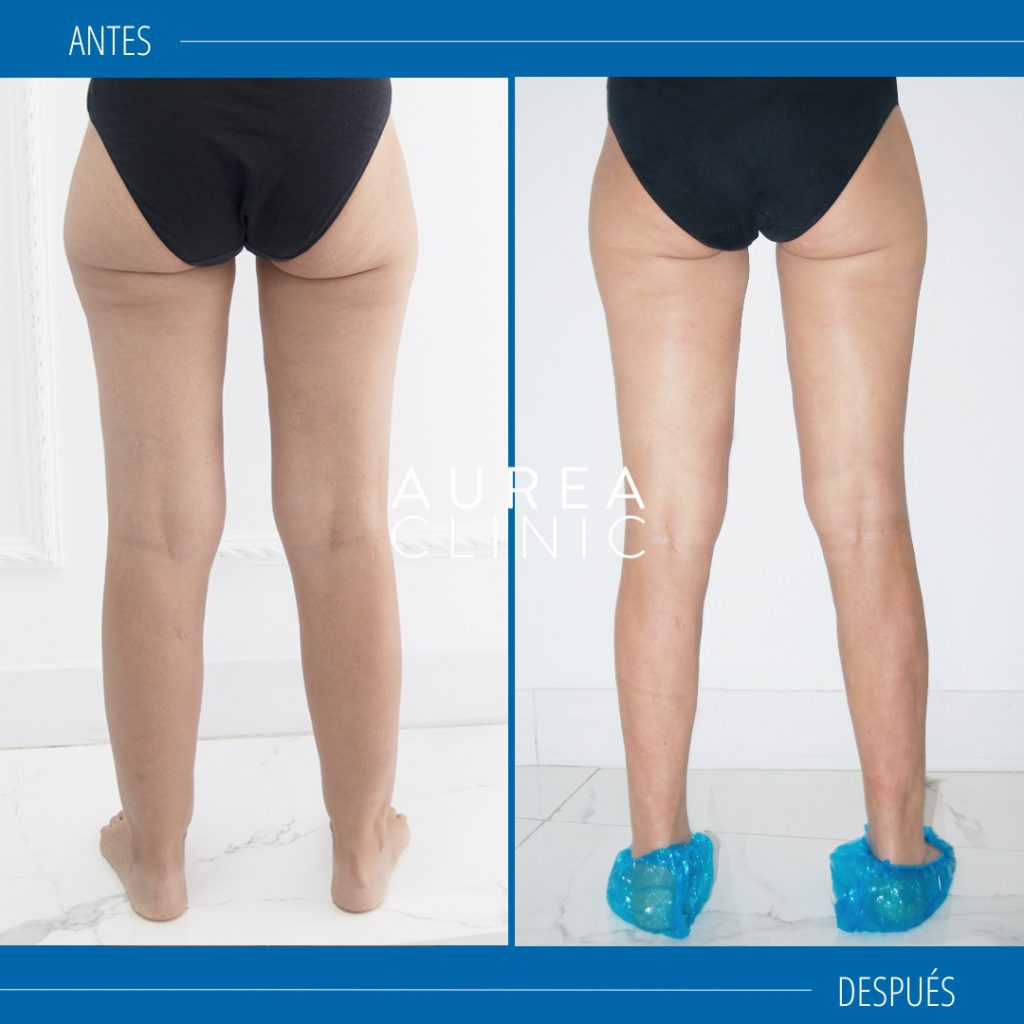
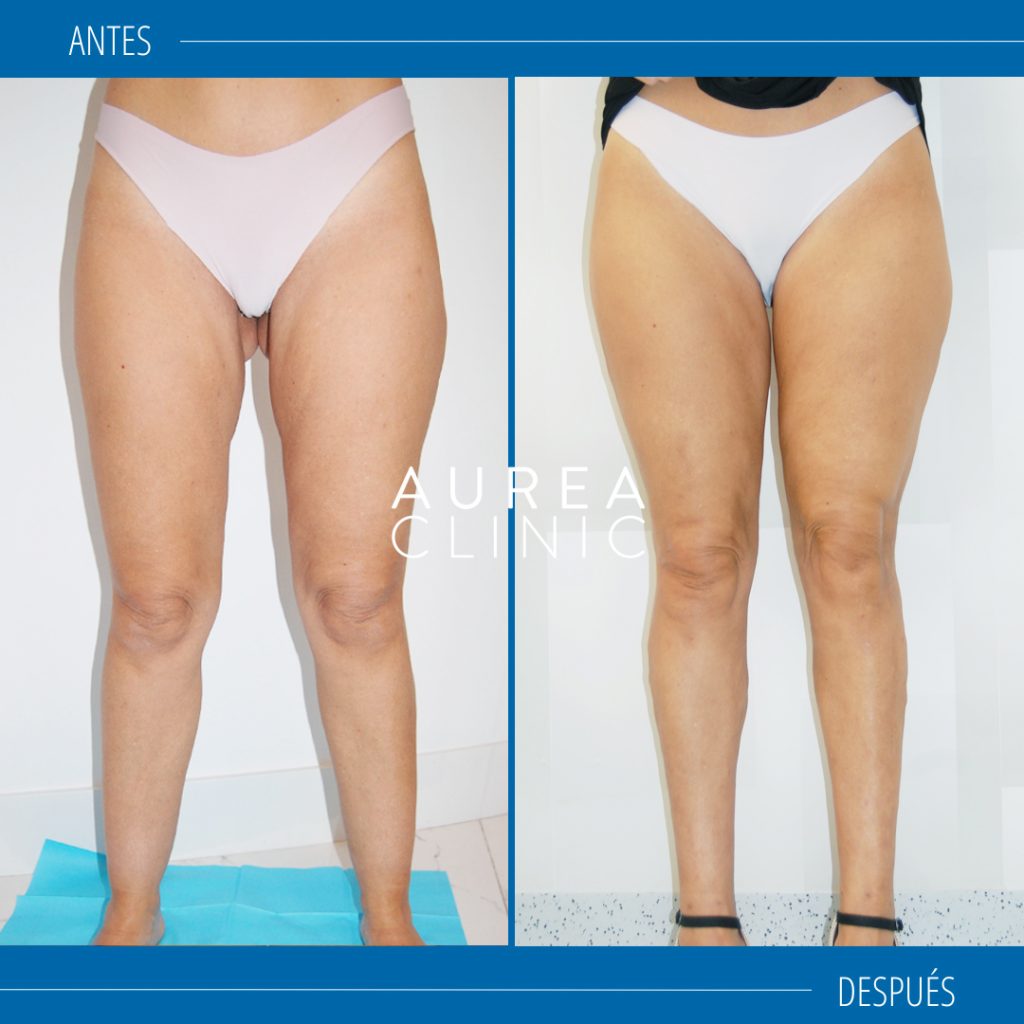
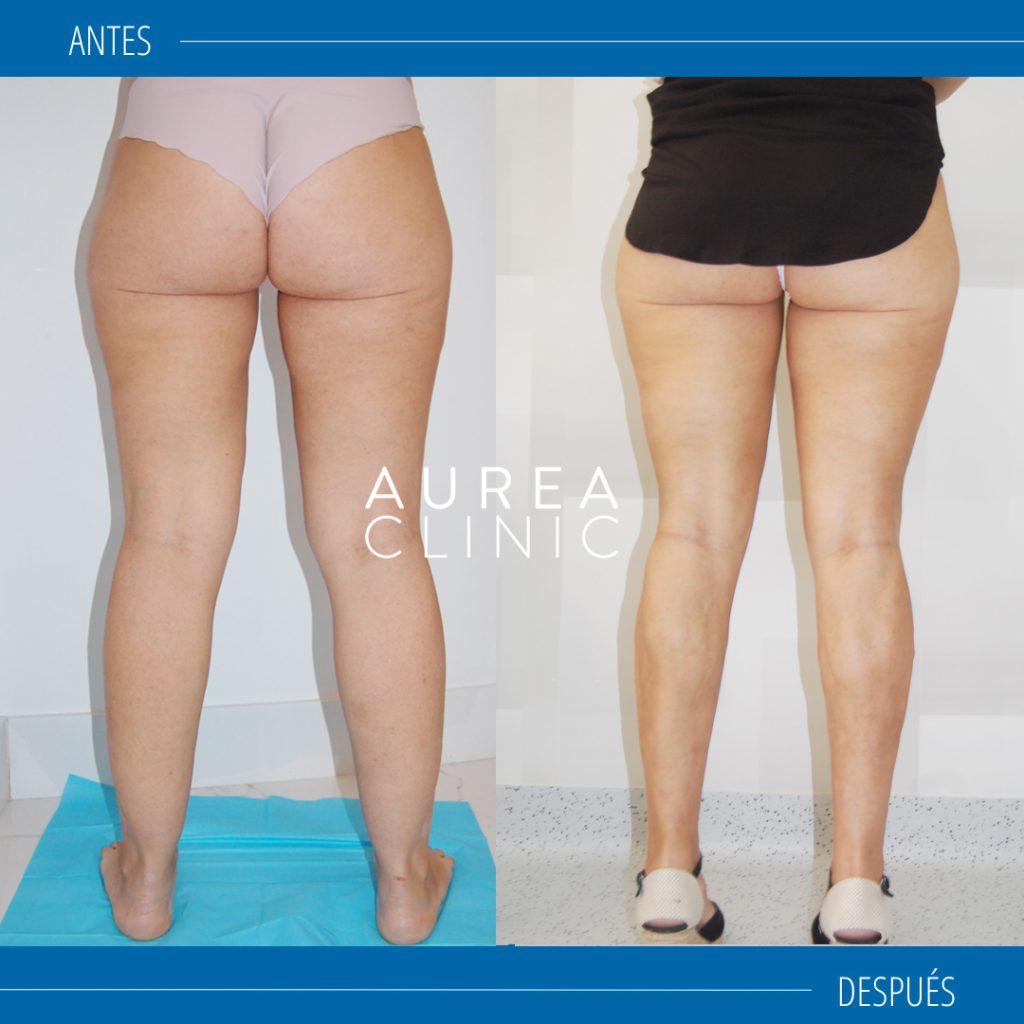
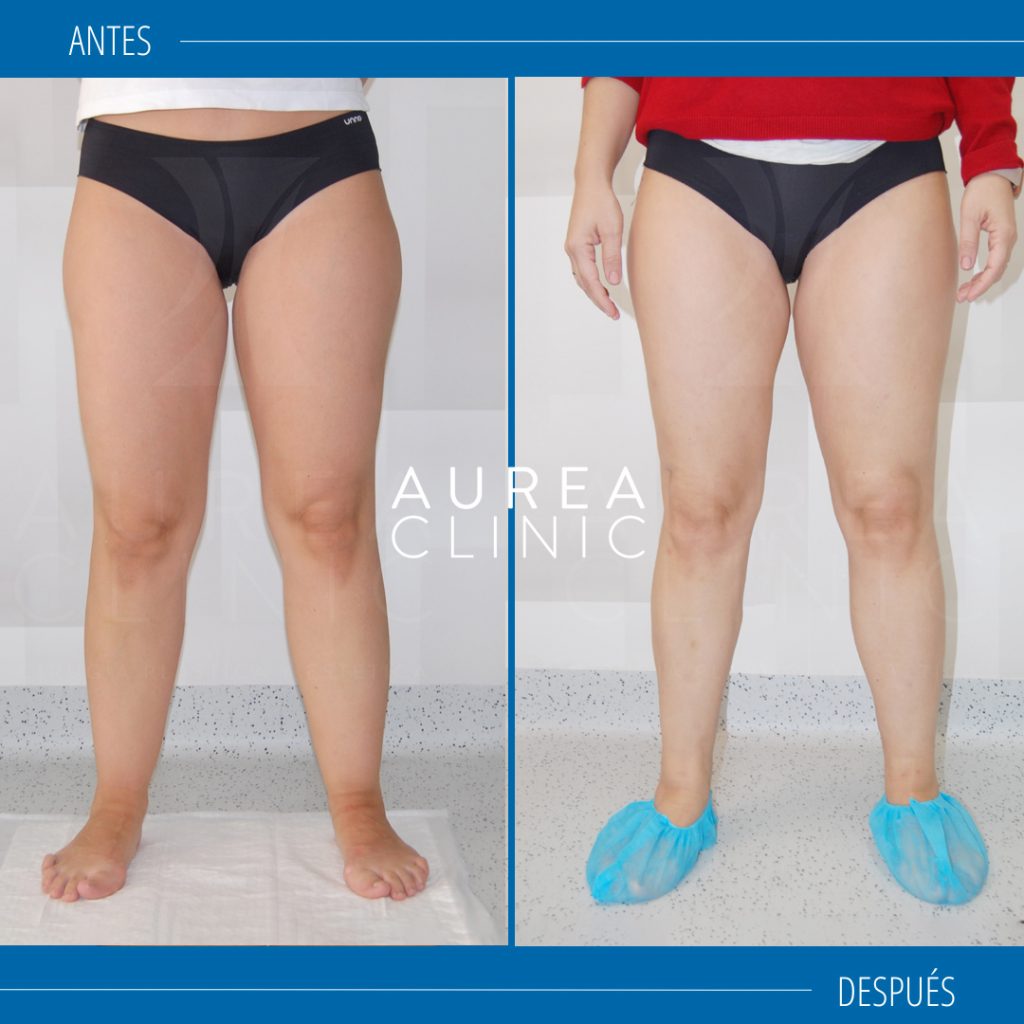
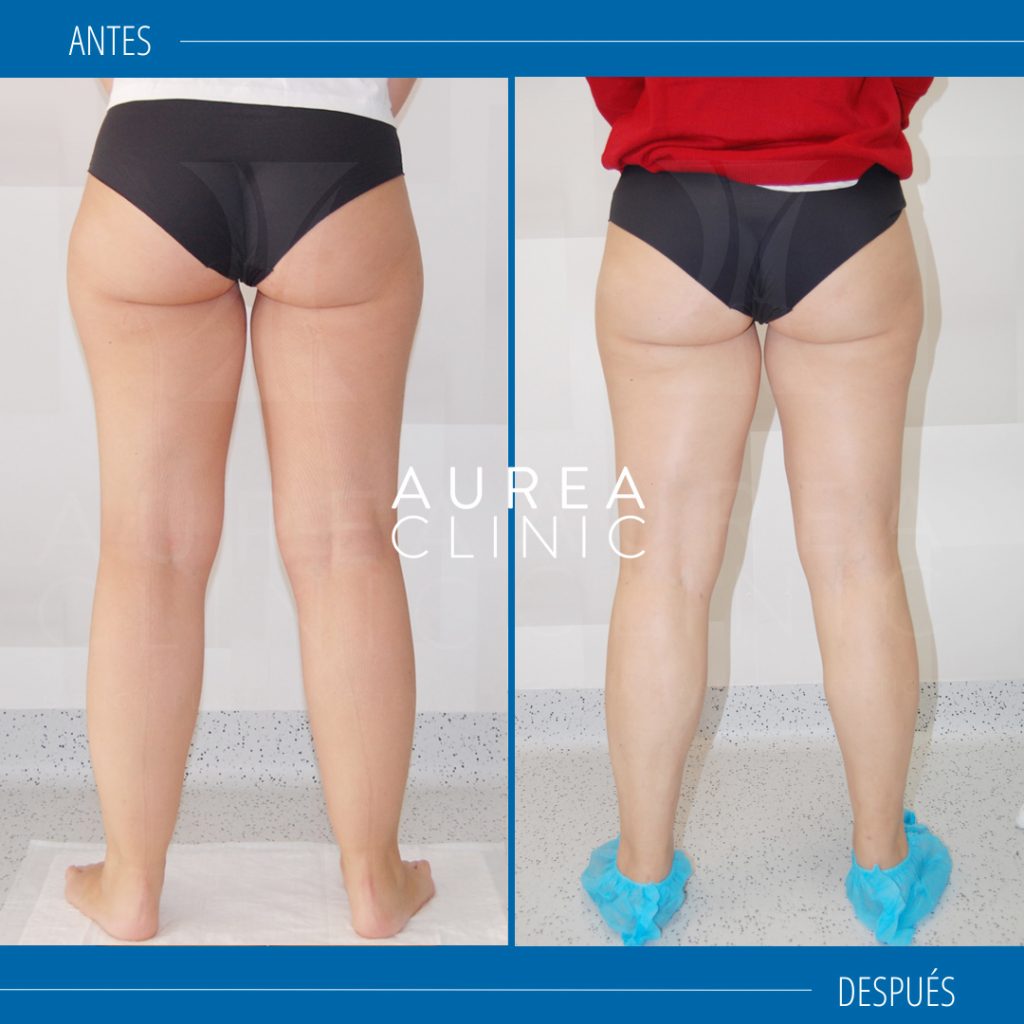
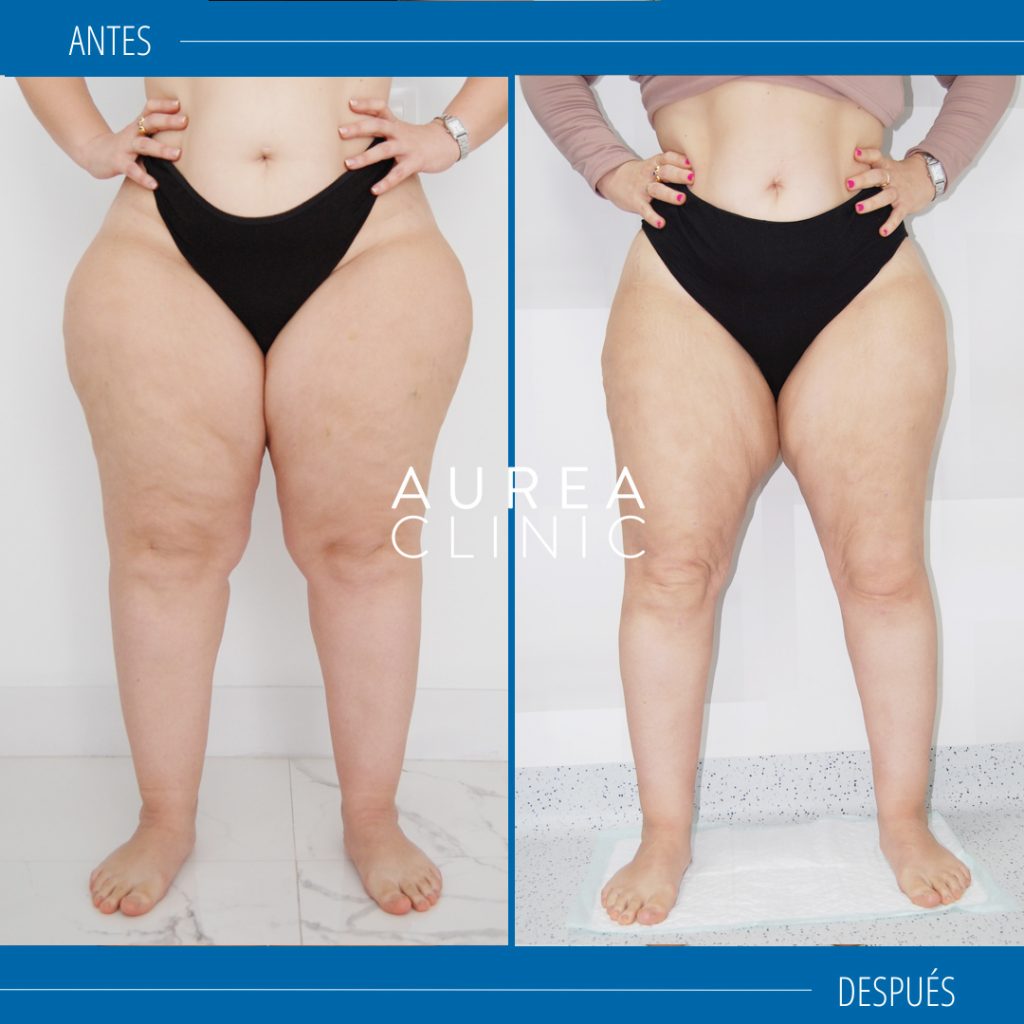
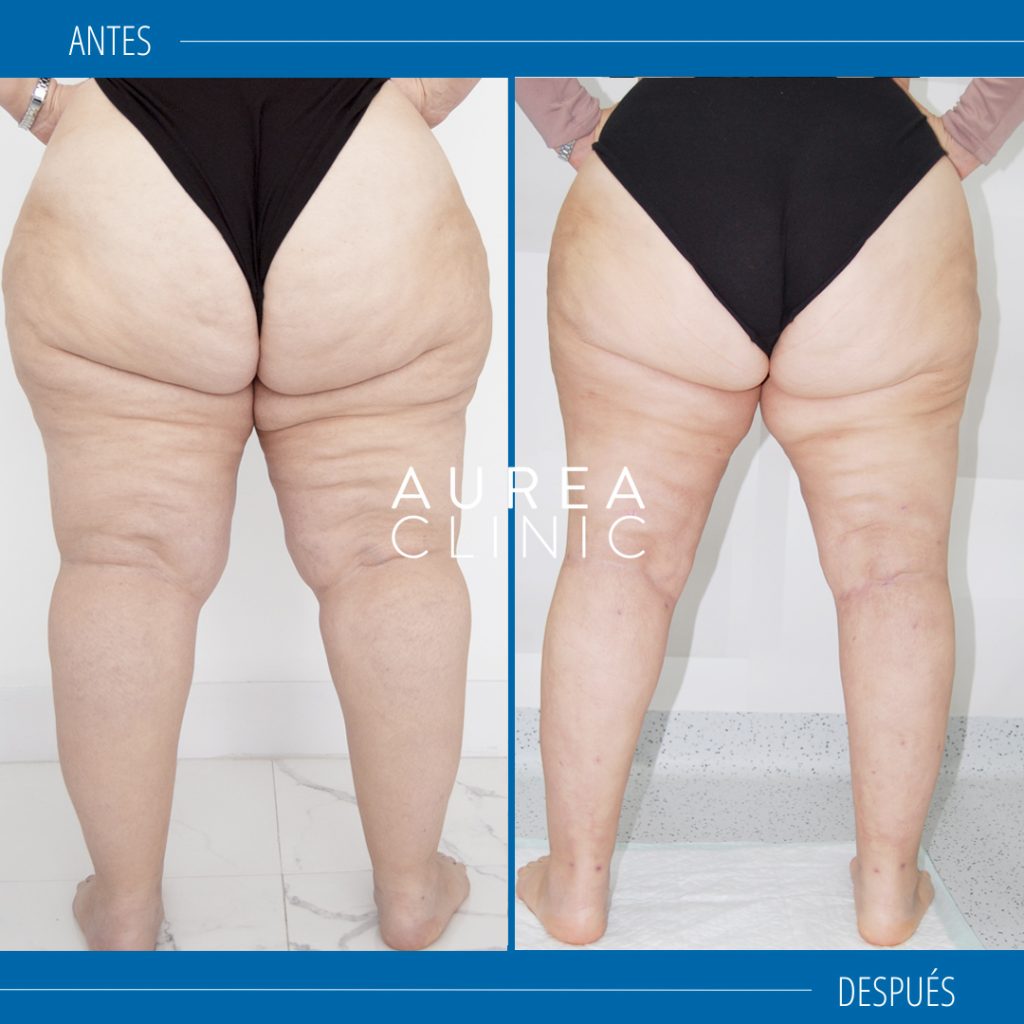
Data sheet
- Length of the surgery:
It depends on the amount of fat that needs to be removed and the areas to be treated. - Anesthesia:
Sedation/Epidural/General - Hospitalization:
Outpatient - Recovery:
Normal life from the day after the surgery - Results:
Visible once the inflammatory process is over
- Shorter recovery time
- Less post-surgical pain
- Less inflammation
- It removes more fat in less surgical time. This is essential for patients with high anesthetic risks due to their health condition.
Lipedema is a fat distribution disorder that is often confused with obesity, lymphedema or other types of edema. It is only suffered by women, and never before puberty. The causes of lipedema are not clear, but genetic condition is considered one of them, as 11% of people suffering from this pathology have a relative suffering from lipedema too. Pregnancy, menopause or gynecological surgeries can trigger or worsen lipedema, so it is suspected that hormones are a cause too. Severe stressful situations have also been proved to play a role.
Early diagnosis is essential: so far, half of the cases have been diagnosed at least ten years after the development of the disease. Patients suffering from lipedema should have extensive knowledge of their medical condition and all disorders associated with the pathology.
Of all the methods that can be used to improve the symptoms that lipedema causes, WAL Liposuction (Aqualipo) is the most effective one. This liposuction technique is the least invasive to the body that exists.
Aqualipo liposuction is less aggressive and allows patients to have a shorter recovery time, due to the fact that the fat cells are detached with pressurized water jets (not with heat or mechanically) and this makes the fat detach faster and in a more natural way.
- Symmetrical swelling and accumulation of fat in the legs, or in the legs and arms. This makes the size of the limbs disproportionate to the rest of the body. The feet and hands are never affected, the disorder is only visible up to the ankles and/or wrists.
- Feeling of heaviness.
- Hypersensitivity to pain, which is accentuated throughout the day.
- Fluid retention (orthostatic edema), particularly in hot weather or when standing or sitting for long periods of time.
- Tendency to bruise easily.
- Resistance to diet. The amount of fat produced by lipedema cannot be eliminated by diet or exercise. Even with very strict diets, you will slim the trunk and face but not the affected areas.
- Cold sensation in the thighs.
There are other symptoms that can indirectly be associated to lipedema but are not a direct cause of the disease:
- Stress or anxiety
- Obesity. Lipedema and obesity are very different things, but it is common that a person suffer from both of them at the same time.
- Eating disorders: 74% of people suffering lipedema also suffer from chronic eating disorders, 12% have uncontrollable hunger attacks, and 8% of them suffer from bulimia.
Taking all these signs into account is crucial to differentiate lipohypertrophy of the extremities from lipedema in a diagnosis. Lipohypertrophy presents similar symptoms, because the fat is also distributed symmetrically and bruises appear, but in the case of lipohypertrophy there is no pain. Lipohypertrophy is not classified as a disease. Other diseases that can be confused with lipedema are obesity, lipomatosis, painful lipomatosis, lymphedema and other types of edema.
There are three different lipedema stages, or levels of progression used to evaluate how far the disease has progressed in the affected areas of the body – the first stage being the earliest onset, and the third stage the most progressed.
The worst disadvantage of lipedema is that as it has nothing to do with eating disorders, dieting is not helpfu to treat or improve it, since it is a combination of hypertrophy and hyperplasia of fat cells. There are also no drugs to treat the disease. The recommended treatments for lipedema are:
- Medical electrofrequency
- Pressotherapy
- Liposuction
